

Listen to the article
Listen to the session
Listen to the article
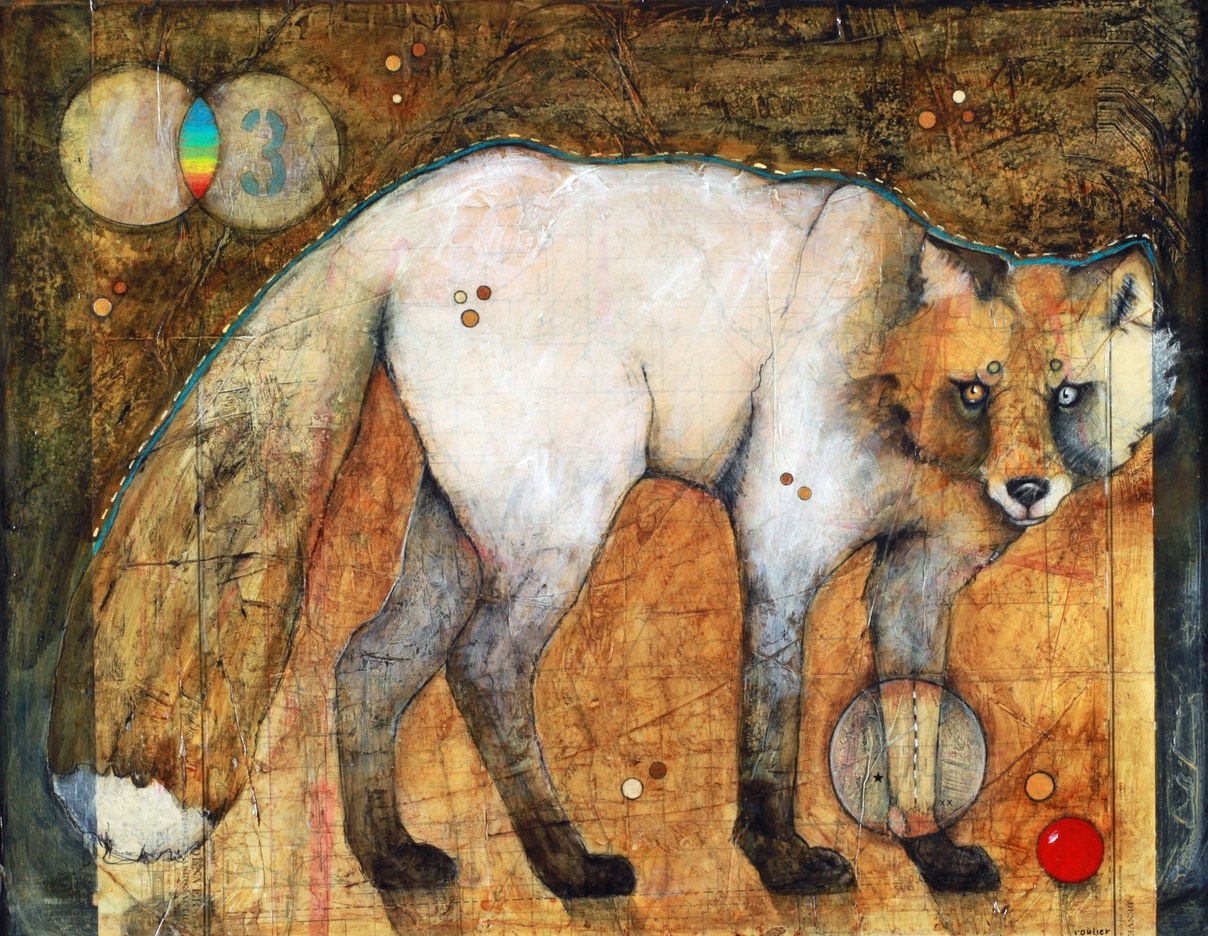
“Catch for us the foxes, the little foxes that ruin the vineyards, our vineyards that are in bloom.” — Song of Solomon 2:15
All relationships face threats—small issues that threaten to uproot what has been carefully planted but remains fragile. In the Song of Solomon, the reference is to a marriage, but this truth applies just as easily to friendships, organizations, even nations that become divided and distrustful. There are always little foxes at work on the roots of trust.
You and I may not be, like Solomon, in the early stages of romance, but perhaps we should consider the things that chew away at relationships that are mature—strong, yet still vulnerable. I know it’s useful for me. What are the threats to my marriage, even now?
Have you heard the term “gray divorce”? According to a 2022 study published in the Journals of Gerontology, divorce rates for those age 50 and older have doubled since the 1990s. Among those over 65, the rate has tripled. We are never immune to the little foxes.
Infidelity is never off the table, regardless of age. And it’s not always sexual. We can be unfaithful in more subtle ways—when we give our best energy to work, hobbies, or other interests that pull us away from our spouse and family. For too many ministers, the church becomes a kind of mistress, and the family is sacrificed for the sake of calling. Others may pursue success or emotional connections outside the marriage that, while not physical, still violate the bond. Unfaithfulness, like a virus, does not discriminate by age.
Cynicism and resignation are foxes that sneak in after years together. We begin to say, “They’ll never change. They’ve always been this way. Why bother hoping?” That line of thinking feels easy—until we flip it around. How does it feel when we believe our partner is saying the same thing about us? It’s disheartening. Even when we want to change, we often feel stuck, beaten down by old patterns of defensiveness, anger, or withdrawal. Losing hope in one another slowly eats away at intimacy.
Irritability is another fox. We lose patience and think, “After all this time, they should know that irritates me—why do they keep doing it?” We expect our partner to read our minds, talk to us when we want silence, or avoid questions that make us uncomfortable. Often, we don’t even get visibly angry—we just push them away with a look or a sharp comment.
Disrespect is a fox that quietly gnaws at the foundation of our relationships. We take our spouse for granted, embarrass or belittle them in public, or even throw them under the bus to protect our own image. We peck at their flaws and focus on their deepest insecurities, using those against them.
Dr. John Gottman, a renowned researcher on relationships, identified contempt as a critical predictor of marital failure. He wrote,
“Contempt is not just another negative emotion; it’s a unique blend of anger, superiority, and disgust. It is born from habitually looking for flaws in your partner. This search for faults is often followed by actions such as sarcasm, mocking, eye-rolling, and even overt verbal abuse. Once present, contempt can erode the essential fabric of a relationship—empathy, respect, and emotional connection.”
In short, unkindness becomes a habit—and a destructive one.
So, what chases off the little foxes? It may sound simple, but one practice can scatter them all: kindness.
1 Peter 1 puts it beautifully:
“For this very reason, make every effort to add to your faith, kindness; and to kindness, knowledge; and to knowledge, self-control; and to self-control, perseverance; and to perseverance, godliness; and to godliness, mutual affection; and to mutual affection, love.”
The journey to love begins with adding kindness. This is not a checklist of duties, but a description of a life that both resists the little foxes and fences them out. It creates a safe place where love can grow.
Scripture says, “Whoever pursues kindness finds life.” And it’s true.
Whoever pursues kindness avoids ruin.
Whoever pursues kindness finds life that blooms.
Pursue kindness.
Art by Claudia Roulier
Get The Round Table in your Inbox
Every now and again we send out a collection of our writings, links to our webcasts, and reminders about events. Subscribe to stay in touch.
