

Listen to the article
Listen to the session
Listen to the article
Cities are more than points on a map. They possess personality. They have influence, and great cities are powerful symbols. New York and London are financial centers. Washington, D.C., and Moscow represent power. Paris embodies fashion and cuisine. Las Vegas, Boston, Hong Kong, and Rome each symbolize something greater than their populations.
Cities hold powerful leverage in our minds. They become the embodiment of an idea or a set of values—forces that can strongly attract or deeply repel - like Sodom and Gomorrah. The book of Nahum is not merely an attack on a city but on a concentration of a particular kind of evil and degradation that ultimately infects the world.
It was a city of wicked plots and schemes, whose merchants multiplied like locusts that strip the land and then fly away—marked by vileness and lust, stolen wealth, lies, and bloodshed. Nineveh was the epicenter of delusion, corrupting not only itself but surrounding nations. She was an adulteress enslaving with charms and favors. While the Assyrians and Babylonians conquered with brute strength, Nineveh seduced—and that is why Nahum describes her as a prostitute leading others to death.
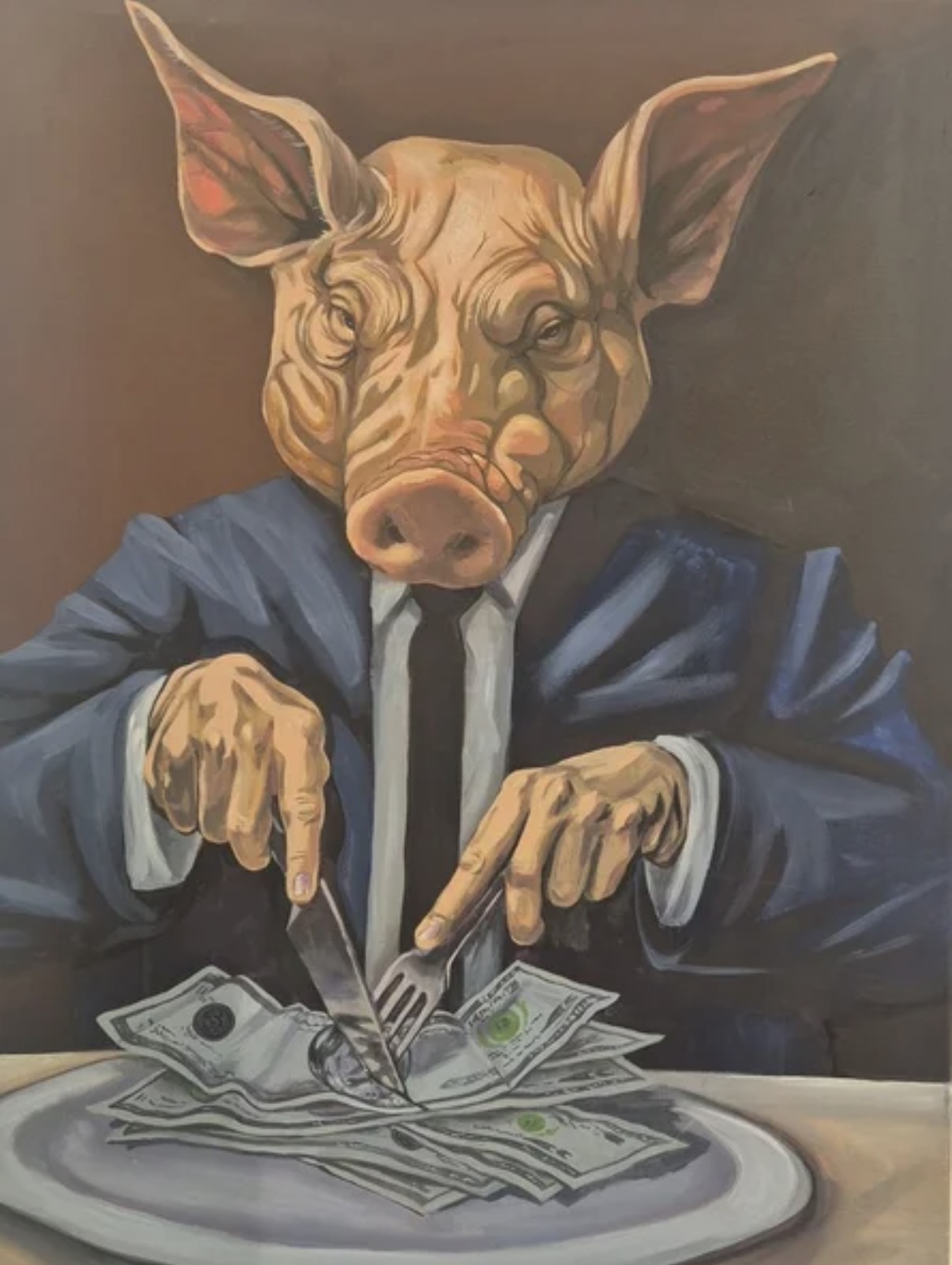
As Proverbs says, the prostitute reduces one to a loaf of bread and then preys upon your very life. Like a Venus flytrap, the allure of Nineveh overcame the careless—drawing them in, draining their strength, and discarding the hollow shell that remained. Think of the deluded rich fool who lost his soul, or the Greek sorceress Circe, who drugged and turned men into pigs.
At the heart of Nineveh—its core value and chief export—was the influence of the cult of Ishtar. She captured the imaginations of men with flattery, spells, and charms. Over thousands of years, Ishtar evolved into a deity both complex and contradictory: the goddess of love and war, destruction and preservation, justice and political power. Ishtar loved and then destroyed all her lovers. They lost their strength and were domesticated. As one poet wrote, “Thou hast loved the steed and destined him for the halter, the goad, and the whip.”
The prophet Nahum indicts the spirit of Nineveh—and the enchantments of Ishtar—that still reside in this world. We all face the “adulteress” who calls us, both as individuals and as a society, to turn aside and forfeit our souls, to become less than human. It is the image of an enemy presenting itself as a friend—drawing near, then slowly strangling its prey while “filling his lairs with the kill and his dens with the prey.”
It is a description of a seductive spirit that excites the mind’s eye, destroys the soul, and leaves behind only an empty husk. Sadly, it mirrors how many nations now view America. As Meic Pearse writes in Why the Rest Hates the West, we symbolize “the rejection of tradition and values by showing little honor for the elderly… wasting time and money on empty endeavors, immersing ourselves in sexual licentiousness, disrespecting the family, and exalting individual rights over personal duty.”
Where we were once seen as liberators and champions with a moral compass, we too have become contradictory. We are now known for a shameful export in which we lead the world. As one friend in Africa said to me, “You once sent us your best people and ideas—now you send us your sewage.”
Hardcore pornography—in the form of videos, the internet, live sex acts, and cable television—now generates around $10 billion annually, roughly the same as Hollywood’s U.S. box office receipts. We are unchallenged in exporting this sewage. The majority of pornographic websites are based in the United States, accounting for nearly 60% of all content hosting. The global market is projected to rise from $58.5 billion in 2023 to over $118 billion by 2030.
Like Nineveh, our merchants have multiplied like locusts until they are “more than the stars of the sky.” What we produce has become an international plague. Greed and moral corruption has infected the very bones of our society. As Wendell Berry writes in his novel Marce Catlett, “Greed has passed to and fro over the whole earth, reducing life to matter and matter to price. Though time and change bring sorrow, they belong to seasons, to fecundity and health—but greed is a mortal disease.”
As with all the prophets there are words of encouragement and hope: “The Lord is good, a refuge in times of trouble. He cares for those who trust in him..” Still, the message of Nahum remains a warning to every city, nation, and empire throughout history:
“Woe to the city of blood, full of lies, full of plunder… all because of the wanton lust of a harlot, alluring, the mistress of sorceries, who enslaved nations by her prostitution and peoples by her witchcraft. ‘”I am against you,” declares the Lord Almighty..Nothing can heal you; your wound is fatal. All who hear the news about you clap their hands at your fall..”
Within a few years after Nahum spoke these words the once great city of Nineveh was destroyed completely and today only a few scattered ruins remain.
Art by Sophie Tschannerl
Get The Round Table in your Inbox
Every now and again we send out a collection of our writings, links to our webcasts, and reminders about events. Subscribe to stay in touch.
