

Listen to the article
Listen to the session
Listen to the article
Two of the challenges for a new Christian foundation are finding a focus—and then a name. There are dozens of foundations whose names and missions are defined by the verse in Micah:
“He has showed you, O man, what is good. And what does the Lord require of you? To act justly and to love mercy and to walk humbly with your God.”
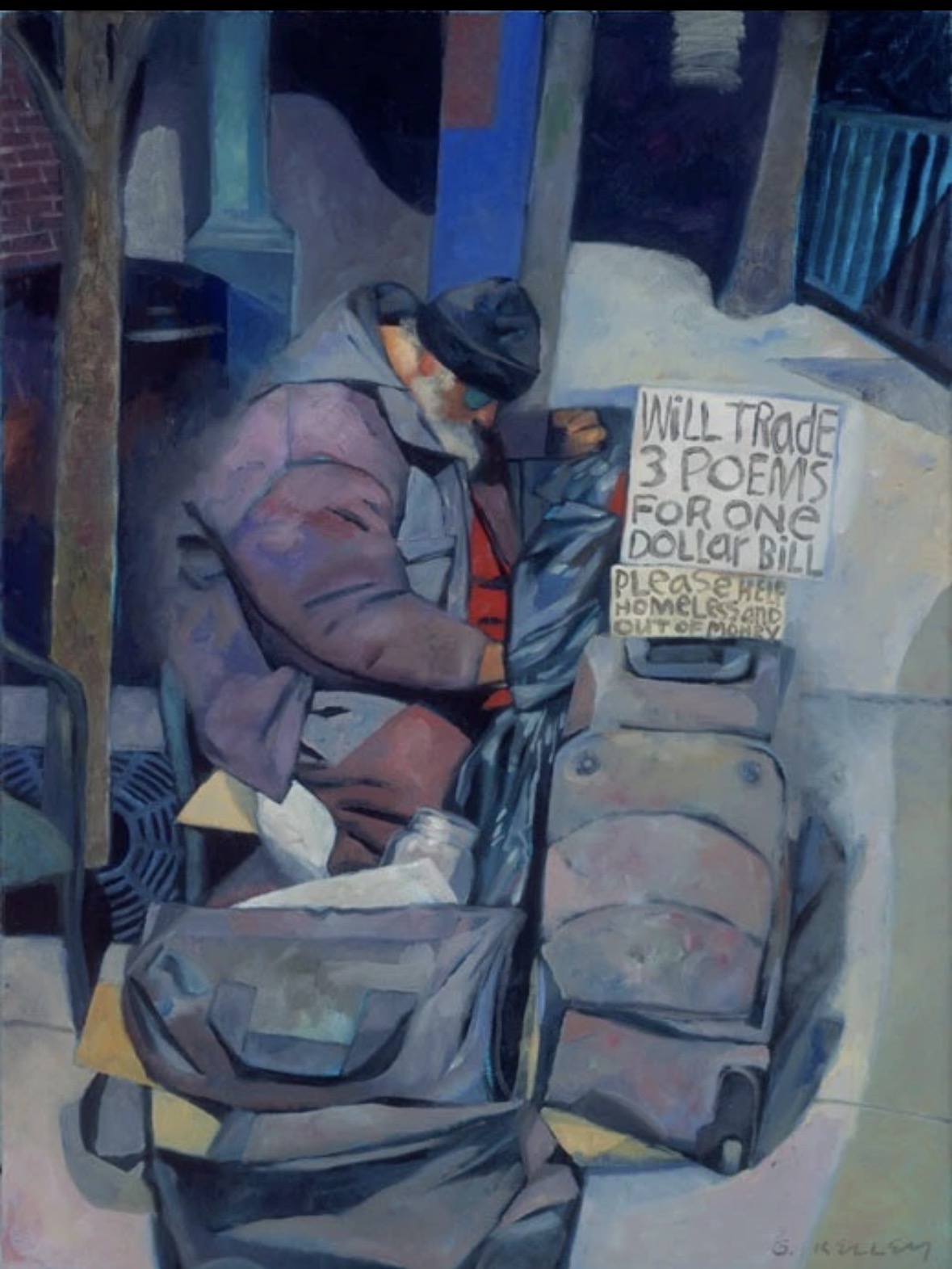
Families soon discover that loving justice and mercy while practicing humility leads them naturally toward working with and loving the poor. That is far more complicated because, like genuine love of any kind, it is hard work, filled with frustration, failure, miscommunication, and misguided attempts to fix the poor without humility or love.
So we learn to go slowly and recognize that there are stages of engagement. We don’t rush out and love the poor. We learn gradually.
At first, there is initial discomfort. There is the threat of the unknown—even the fear of physical harm because the poor may be perceived as dangerous. There are also emotional hazards because we don’t know how we will react.
Next, there is often a superficial euphoria. We feel good about relieving our guilt or sense that we are getting closer to God as a result of being with the poor. This is a kind of “spiritual greed” that can be dangerous. The poor become a means to an end for us.
You may not have encountered “Barbie Savior,” a spoof of wealthy Westerners who travel to Africa to work with the poor. On the website, there is a mock interview with Barbie that goes like this:
Culture Stories: What made you want to volunteer in Africa?
Savior Barbie: Ever since I was little I was deeply fascinated with and moved by those living in the third world, specifically the country of Africa. Like I have stated, my true love for Africa came from watching The Lion King. From the first time watching it, I knew one day I would go to Africa. As I grew older I learned about the poverty and disparity that ravage the entire country. Even though I have no training whatsoever, I know that the answers to all the problems here lie within me.
CS: What were your first impressions upon arrival?
SB: The sights and smells were so overwhelming at first… People here, even though they have no material objects at all, are literally happy every single second of every single day. All you have to do is look at their smiles and realize that they hold no sorrow or anxiety about anything in their lives at all. Only happiness and joy. I have never seen anyone in my life not be happy without Starbucks, and yet, this was one of the greatest epiphanies that I had. Happiness without red cups? It is possible. I’ve seen it. I’ve lived it.
But over time, people who stick with it often get to neutral—which is the beginning of a healthy attitude. The euphoria wears off, and we begin to see the poor as individuals with personalities rather than as objects. They are not always happy, grateful, easy, or easily satisfied. They are, in short, like you and me.
When we get past the artificial euphoria, we lose our interest in “poverty porn”—pictures of starving children designed to provoke an emotional response. Poverty is no longer simply an issue to be fixed with strategic initiatives. These are real people.
Then we begin to learn from the poor. We are no longer feeding off them emotionally; we have become people who also change. We are no longer, essentially, stealing from them to feed our own needs. We are not there to fix them. We are there both to receive and to give.
Finally, there comes what God intended all along: a sense of belonging together. We do not take advantage of them, and they do not manipulate us. We do not decide what is best for them, and they do not play our charity games. We begin to trust one another and, most importantly, begin to welcome one another into our lives without trying to remake each other.
You know, the root word for philanthropy is philos, and it means finding something in common with another person. So much of philanthropy is built on just the opposite. We see people who are so different from us, and we make gifts across that barrier without ever finding what we have in common. We pity them, but we do not respect them. We want to fix them, but we do not truly seek to find what we share.
When we have God’s perspective, we do.
Erich Fromm wrote:
“There is hardly any activity, any enterprise, which is started with such tremendous hopes and expectations, and yet, which fails so regularly, as love.”
Our love of mercy and justice done in humility need not fail if we understand from the beginning that, like every craft, loving well requires time, discipline, and practice.
Art by Gary Kelley
Get The Round Table in your Inbox
Every now and again we send out a collection of our writings, links to our webcasts, and reminders about events. Subscribe to stay in touch.
