

Listen to the article
Listen to the session
Listen to the article
As a student many years ago, I bought a copy of the World Encyclopedia of History because it connected dates and eras across the globe rather than isolating events within a single country. I could see what was happening in China at the same time as events in Rome and a dozen other regions. It connected the dots for me. For the same reason, I later bought a parallel translation of the Gospels for comparing the four accounts side by side and see how they aligned. Scripture does not always make these connections obvious. For instance, it is easy to overlook when certain people were contemporaries because the books are arranged in a way that is not always chronological or by not placing people in the same place at the same time. We do not naturally associate kings and prophets together because, with few exceptions such as Samuel and Saul, Ahab and Elijah, or David and Nathan, they appear in different books. We do not tell their stories together as we do the accounts of the Gospels.
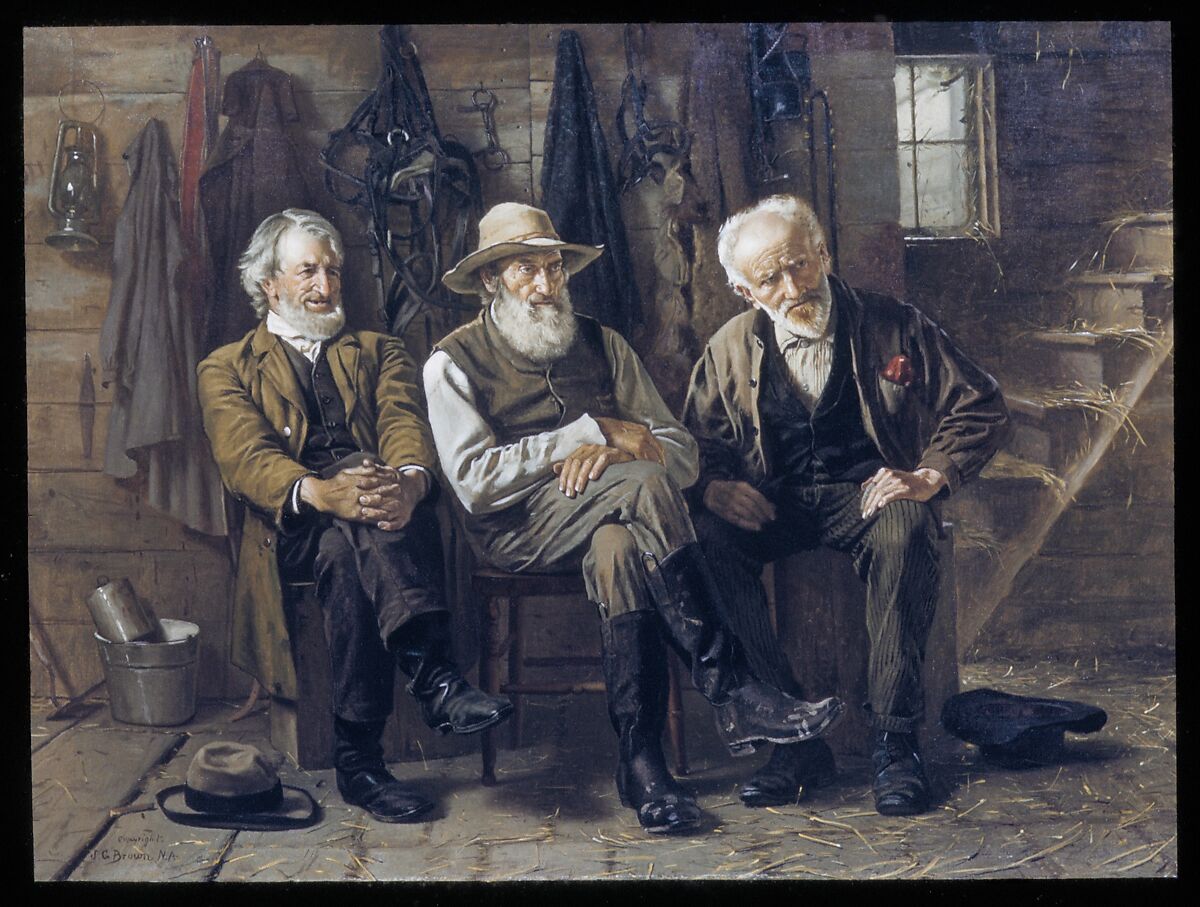
Zephaniah is a good example. It is easy to miss that his contemporaries were Jeremiah and Habakkuk. They were all prophets in Jerusalem at the same time. They would have known each other and, like the Inklings (C.S. Lewis, J.R.R. Tolkien, among others) meeting at the Eagle and Child in Oxford, they may well have gathered together—comparing notes, encouraging one another, and offering insights and suggestions.
They also shared an extraordinary historical context: each prophesied during the reign of King Josiah. His grandfather Manasseh was perhaps the most evil king of them all, and his father Amon, who followed idols and led the people astray, was assassinated by his own officials after only two years on the throne. Josiah, his son, became king at the age of eight and expectations for him would not have been for his being different from his predecessors.
While Josiah may have had a different nature than his forebears, I believe he was also shaped by a powerful trio of prophetic voices throughout his life. Each prophet emphasized a different message. From Habakkuk, Josiah would have learned about the holiness of God, the fundamentals of faith, the truth that “the righteous live by faith,” and that God is not obligated to answer every question. From Jeremiah, likely the one who knew him best, he would have heard the call for national reform, the hope of return from exile, and the importance of choosing the right path as a ruler. From Zephaniah, he would have grasped the global consequences of leadership—the idea that a king’s influence could extend beyond his own nation.
“I will sweep away everything from the face of the earth,” declares the Lord.
“I will sweep away both men and animals; I will sweep away the birds of the air and the fish of the sea.
The wicked will have only heaps of rubble when I cut off man from the face of the earth.”
This suggests a responsibility far greater than merely ensuring the faithfulness of a single nation. Such a king might bear the future of all humanity on his shoulders. Josiah’s discovery of the lost Book of the Law in the Temple and his reforms in Jerusalem were only the beginning of what his spiritual mentors had impressed upon him. He had a much larger role to play than he realized and of kings before or after him. He was the big bet.
Unfortunately, he died young—only 31 years old—and his descendants failed as leaders. Only 25 years after his death Judah was conquered by Babylonia.
J.R.R. Tolkien writes of bright moments in history that appear only occasionally. They give us hope but do not overturn what he calls “the long defeat.”
“I do not expect ‘history’ to be anything but a ‘long defeat’—though it contains… some samples or glimpses of final victory… I sometimes feel appalled at the thought of the sum total of human misery all over the world at the present moment… If anguish were visible, almost the whole of this benighted planet would be enveloped in a dense dark vapor… All we do know… is that evil labors with vast power and perpetual success—in vain: preparing always only the soil for unexpected good to sprout in.”
Perhaps that is what Jeremiah, Habakkuk, and Zephaniah accomplished. In the time they were given, they prepared the soil for unexpected good. Even today, that is my hope. It is easy to become discouraged when we think of the sum total of human misery and the dark vapor that seems to surround us. In these times we need to be, like that band of brothers, preparing the soil for the unexpected good.
Art by John George Brown
Get The Round Table in your Inbox
Every now and again we send out a collection of our writings, links to our webcasts, and reminders about events. Subscribe to stay in touch.
